
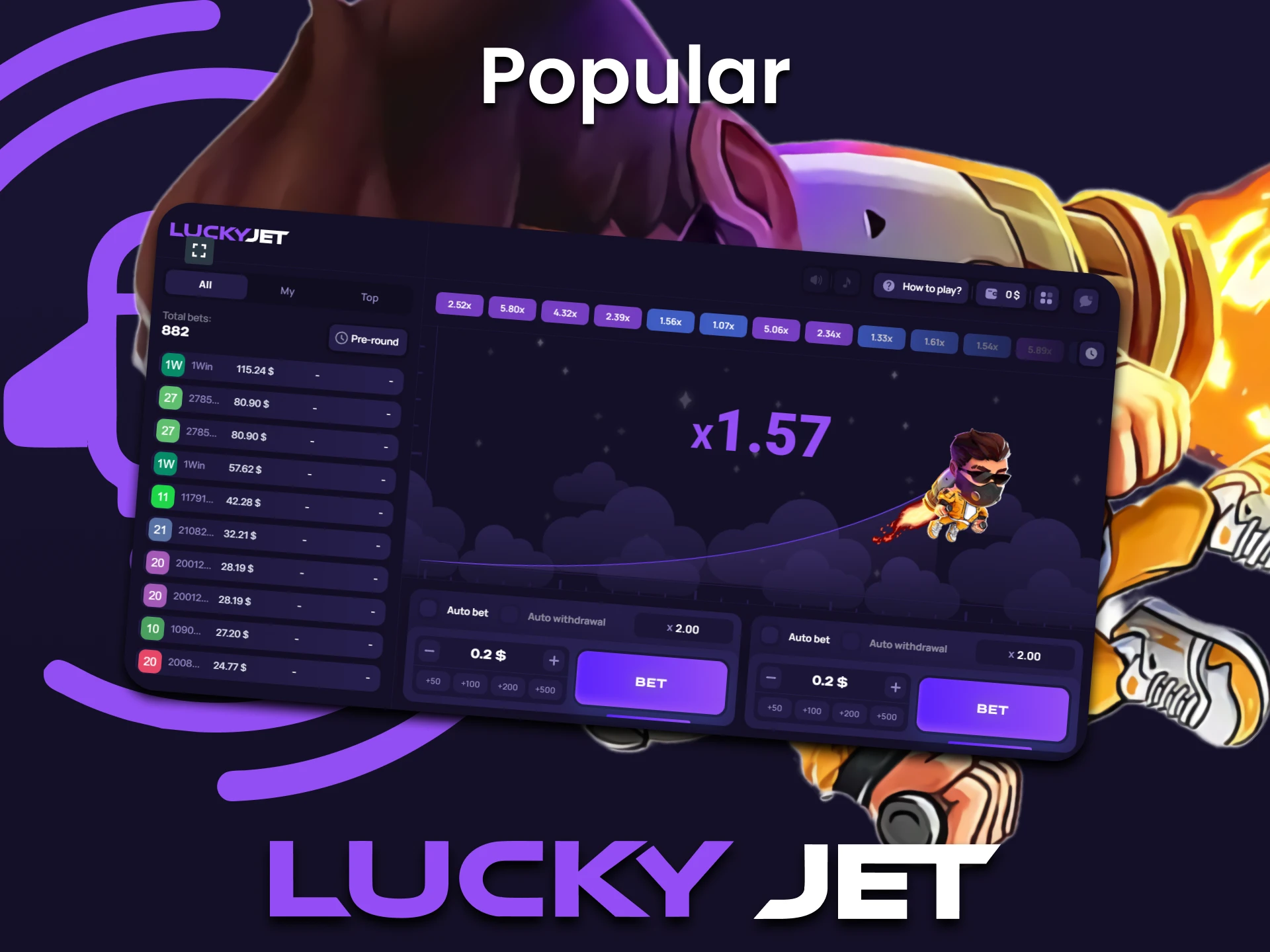
As an expert of the digital gambling industry, I have observed numerous crash game lucky jet registers launch on the market, but few exhibit the natural adaptability of the Lucky Jet game. Its basic gameplay are universally engaging, yet its real capability is achieved through careful adaptation, a process I view is crucial for success in the demanding UK market. For operators like those at Lucky Jet Casino, this goes beyond about superficial alterations; it’s about tailoring the entire user experience to appeal to domestic user mindset, legal structures, and cultural nuances. In this thorough exploration, I will investigate the varied adaptation opportunities available, from sight and sound customization to the vital embedding of responsible gambling tools and market-specific promotional mechanics. The process from a generic product to a customized British gaming essential is one of thoughtful planning and strategic implementation.
Comprehending the UK Gamer’s Traits
Before any technical customization starts, one must first understand the target group. The UK player is sophisticated, having been part of a developed, regulated online gambling sector for over a decade. They are habituated to high standards of integrity, openness, and player safeguards. My assessment is that they prioritize clarity over excessive flamboyance; a uncluttered, intuitive interface that conveys odds and possible winnings transparently will establish more trust than a messy, overly flashy one. Moreover, the UK audience has a distinct preference for direct benefits and a keen awareness of Return to Player (RTP) percentages and game mechanics. This knowledgeable player group does not react favorably to obscure workings or deceptive displays, making truthful communication a foundational element of any personalization endeavor for the Lucky Jet game in this area.
Legal Adherence as a Personalization Factor
Customization in the UK is not discretionary; it is heavily governed by the rigorous requirements of the UK Gambling Commission (UKGC). This regulatory body sets the gold standard for player safety, and their rules must be the main blueprint for any adaptation. From my viewpoint, this goes beyond simply adding a logo. It necessitates the seamless integration of age verification prompts, direct links to deposit limits and self-exclusion tools like GAMSTOP, and clear display of betting history and transaction records. The game’s interface must be crafted to incorporate these mandatory elements without compromising the gameplay flow. Therefore, a UK-customized Lucky Jet game will naturally have a more responsible gambling-centric framework, which, while a regulatory mandate, also serves to foster long-term player trust and longevity.
Regional and Visual Resonance
While the main rocket-themed journey of Lucky Jet is globally recognizable, subtle aesthetic modifications can enhance local attraction. This doesn’t involve covering the Union Jack on every surface, but rather employing a colour palette and design approach that feels comfortable and premium to a UK viewership. I consider the use of clean typography, a balanced layout that emphasises information clarity, and perhaps thematic elements that subtly allude to British notions of aviation history or modern innovation. The audio design, too, contributes; sound effects and background music should be appealing but not intrusive, matching with the more reserved sonic preferences often noted in this market compared to others. The aim is to establish an environment that feels both thrilling and dependable.
Operational and Technical Customization Layers
Extending beyond aesthetics, the practical layers of the Lucky Jet game offer deep customization opportunities. At the most fundamental level, operators can tweak the game’s volatility and RTP within the ranges provided by the developer, permitting them to adapt the risk-reward profile to their brand’s positioning and their player base’s preferences. A platform catering to casual entertainment seekers might choose a lower volatility, more frequent small-win setup, while one aiming at seasoned players could opt for higher volatility for the chance of larger multipliers. Furthermore, the betting interface itself can be personalized—default bet amounts, quick-bet buttons, and the presentation of the auto-play and cash-out functions must be arranged for intuitive use, ensuring they meet UKGC guidelines on speed and player control.
Gameplay Features and Side Bets
A refined area for customization lies in the possible addition of market-specific features or side bets. While the core loop of predicting the rocket’s flight remains sacrosanct, operators can partner with providers to integrate ancillary betting options that attract UK players’ love for variety. Consider a side bet on the colour of the rocket’s trail correlating to a particular multiplier range, or a “Double or Nothing” feature after a successful cash-out. I must stress that any such addition requires rigorous testing for fairness and clear communication of odds. These features, if implemented well, can add a layer of strategic depth and engagement, making the Lucky Jet experience on a UK site feel uniquely enriched compared to its international iterations.
Incorporation into Loyalty and Promotional Systems
No game exists in a vacuum, and its integration with the casino’s wider ecosystem is a critical customization frontier. For the UK market, where bonus offers are heavily regulated (with wagering requirements clearly stated and time limits enforced), the Lucky Jet game must be precisely aligned to the operator’s promotional engine. This means seamless tracking of qualifying bets for deposit bonus wagering, the ability to activate time-sensitive in-game challenges or tournaments specifically for UK players, and the smooth accrual of loyalty points or tier credits based on gameplay. I see this technical integration as a quiet but effective modifier; it integrates the game into the player’s overall journey on the site, boosting retention and perceived value.
Branding and Outreach Personalization
How the Lucky Jet game is presented and communicated to the UK audience is a customization category in itself. The marketing language must follow the UK Advertising Standards Authority (ASA) codes, preventing any suggestion that skill affects the crash game’s outcome or that gambling is a remedy for financial concerns. Descriptions should focus on entertainment value, game mechanics, and technical features like RTP. From my analytical viewpoint, educational content emerges as a powerful tool here. Producing UK-focused guides, strategy explainers (emphasizing that no strategy guarantees wins), and transparent breakdowns of how the game’s algorithm ensures randomness can generate immense credibility. This honest, informative approach matches well with the UK player’s desire for transparency and demystification.
Regional Customer Assistance and Feedback Systems
Customization is not a one-time event but an ongoing process fueled by player feedback. A UK-focused operation should create direct channels for gathering and responding to insights from its local player base. This requires ensuring customer support is knowledgeable about the Lucky Jet game’s specifics and can handle queries in a culturally appropriate manner. Moreover, I support using data analytics not just for commercial purposes but to understand how UK players interact with the game differently—their average session length, preferred bet sizes, and cash-out patterns. This data should then be reintegrated into the customization cycle, informing adjustments to default settings, promotional offers, and even future feature development specifically for this market.
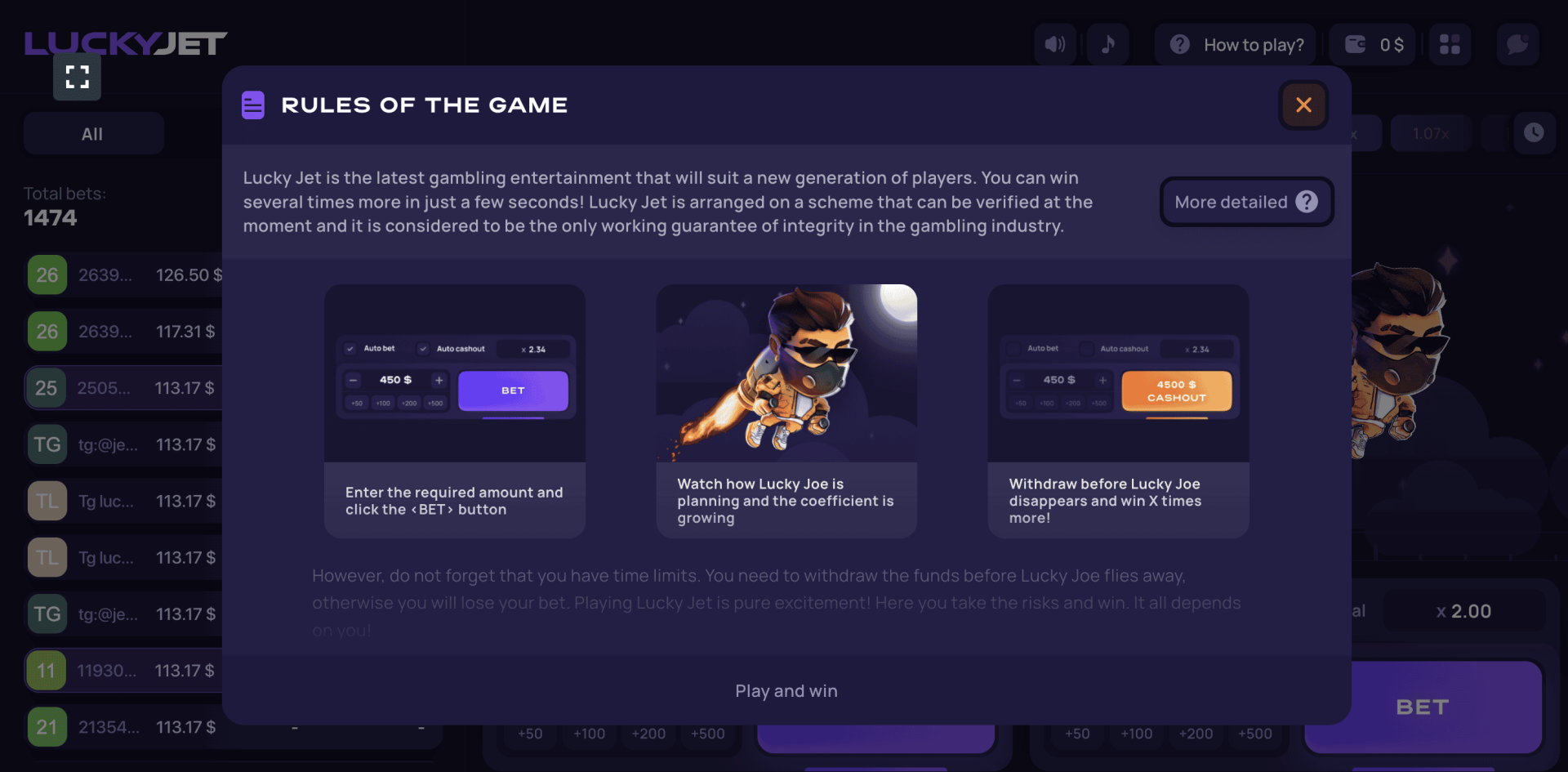
Future-Proofing
The UK iGaming market is dynamic, with gambler expectations and regulatory expectations continually evolving. Thus, a really impactful customization strategy for the Lucky Jet game must be forward-looking. This involves leveraging a framework that allows for rapid adjustments. Given the ongoing dominance of mobile play, guaranteeing the tailored experience is seamless on mobile platforms, with flexible interfaces and touch-optimized controls, is non-negotiable. Going forward, I am considering the possible incorporation of emerging technologies like improved data displays for betting history or the cautious introduction of community elements that meet strict British data privacy regulations (GDPR). The structure must permit the game to adapt to new payment options favored by UK players, such as open banking systems, without harming the user interface.
Responding to Legal Changes and Player Protection
Tomorrow’s tailoring will without a doubt be influenced by further compliance updates. The current discussions around affordability checks, betting caps for online slots, and even gameplay elements like spin speeds directly affect crash-style games like Lucky Jet title. A forward-thinking personalization strategy involves crafting the game with modularity in mind, allowing for the quick rollout of new mandatory responsible gambling features. As an illustration, if compulsory loss or session limit warnings are mandated, the game’s programming must quickly integrate these interventions. By viewing regulatory compliance not as a constraint but as the core around which groundbreaking, user-protective tailoring occurs, providers can guarantee the Lucky Jet experience remains a lasting and respected fixture in the UK’s regulated gambling landscape.
Operational Implementation and Vendor Selection
The ultimate piece of the puzzle is the execution. Reaching this level of deep customization for the Lucky Jet game in the UK market is not a task for operators alone; it depends on selecting the right software provider and technology partner. From my standpoint, operators must look for providers who offer not just a white-label product, but a true partnership with robust back-end tools for customization. This includes access to detailed configuration panels, the ability to collaborate on bespoke feature development, and a provider that demonstrates a clear understanding of UKGC compliance. The provider’s roadmap should match the operator’s vision for the UK market, guaranteeing that the game evolves in tandem with local expectations. The right partnership turns customization from a concept into a competitive advantage.
